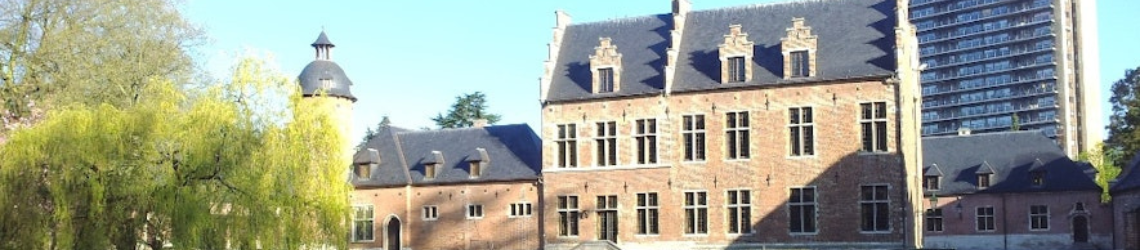
Stop for a story: Karreveld
Where Belgian cinema came to live
Published on
Molenbeek, 1912. Karreveld park isn’t just a place for a stroll. There are camera’s, film sets, actors... and even a few exotic animals.
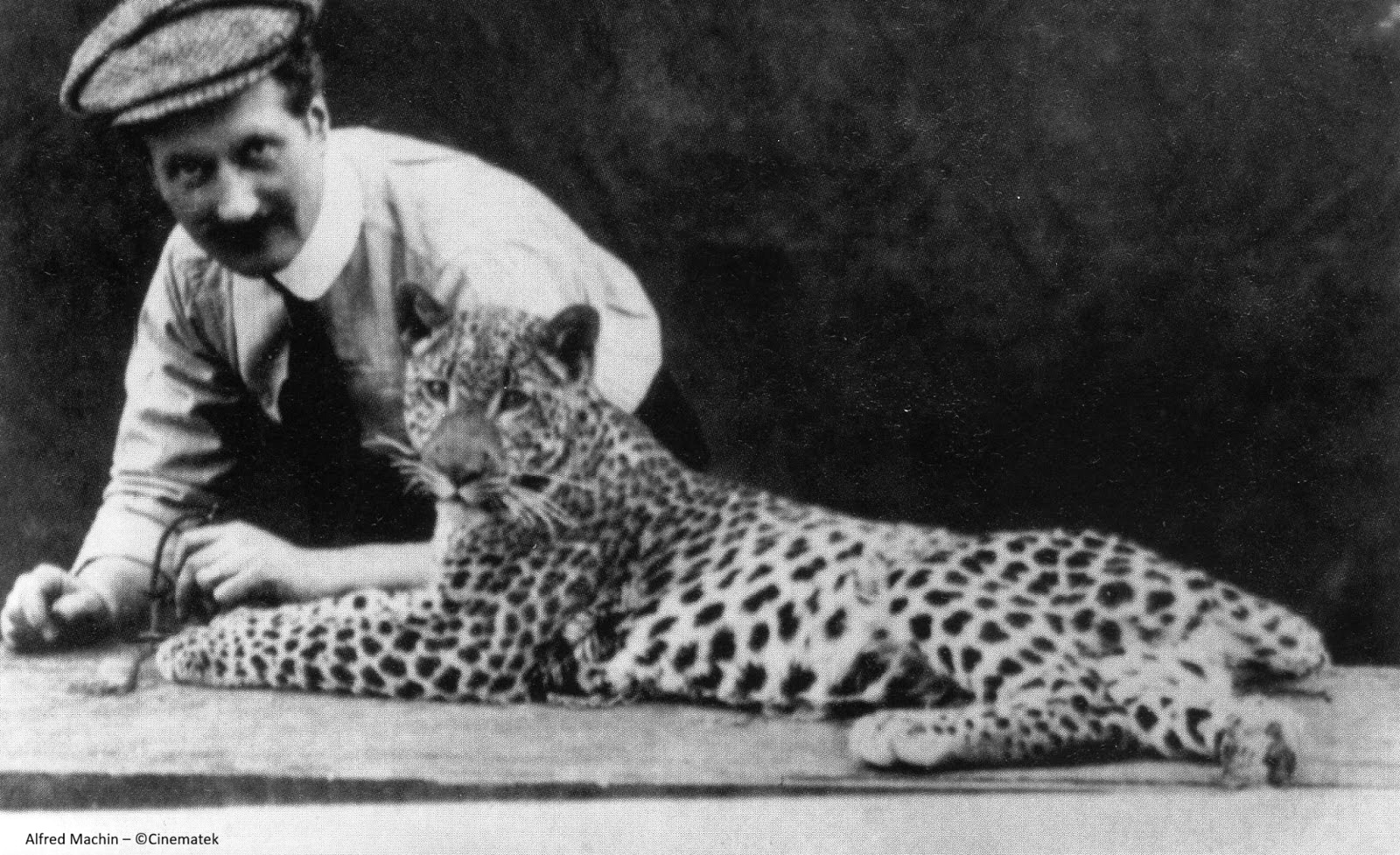
At the time, the estate is home to Belgium’s first film studio. The Pathé company sends filmmaker Alfred Machin there to shoot films.
He sets up a glass studio, workshops, rooms for the actors and even a small zoo. Bears, panthers, camels... Karreveld has everything it needs to put Belgium on the cinematic map.
Several films are made there, including the two oldest surviving Belgian feature films: La Fille de Delft and Maudite soit la guerre. The latter has a striking title, especially as the First World War is about to begin.
But Karreveld’s story goes back much further.
Built between the 16th and 17th centuries, this castle-farm spends centuries surrounded by fields, meadows and ponds. By the early 20th century, the estate becomes a leisure destination, complete with a velodrome, milk bar and inn.
Then the city starts closing in. The estate shrinks from 16 hectares to just three. But the castle survives. It is restored and transformed into a public venue.
Today, trams and buses stop at Karreveld. You might get off without ever guessing that, just a few steps away, the trees once hid one of the most unexpected chapters in Brussels’ film history.
Curious for more?
Explore another stop and discover Brussels’ hidden gems. A stop, a story... and off again.

On the same subject
-
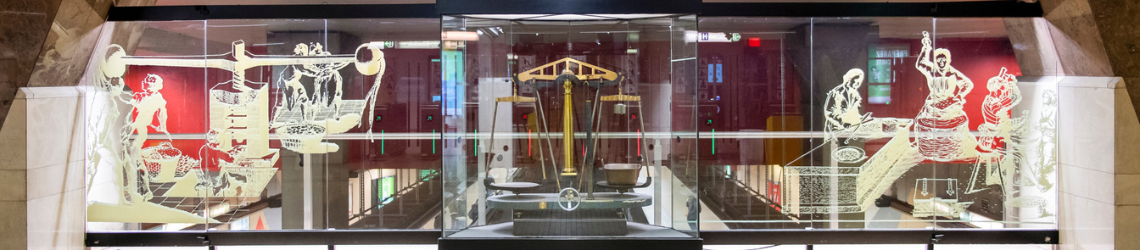
Stop for a story: Hôtel des Monnaies/Munthof
Every stop has a story: which one lies behind Hôtel des Monnaies/Munthof?
-
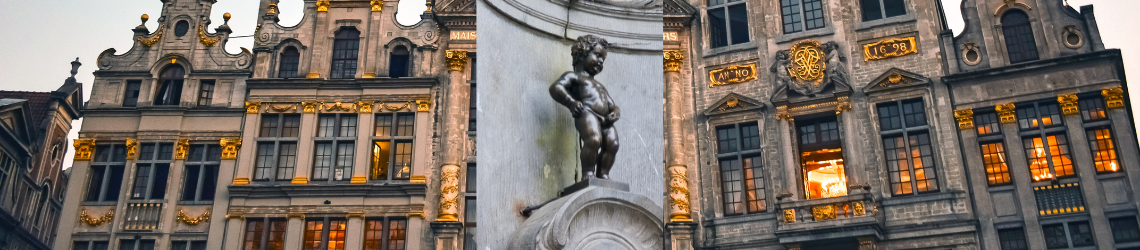
Stop for a story: Manneken-Pis
Every stop has a story: which one lies behind Manneken-Pis?