Stop for a story: Pagodes/Pagoden
When East-Asia inspired Laeken
Published on
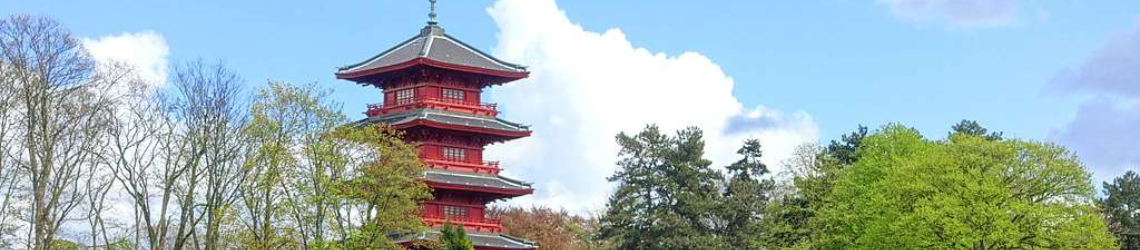
The name Pagodes/Pagoden sounds like an invitation to travel to the other side of the world. And yet, its origins lie hidden much closer than you might think. In Laeken, two remarkable buildings inspired by East Asian architecture gave their name to a nearby avenue... and later to the bus stop.
The story begins in 1900. During a visit to the Universal Exhibition in Paris, King Leopold II discovers pavilions inspired by Japanese and Chinese architecture. Fascinated by what he sees, he asks architect Alexandre Marcel to create similar buildings near the Royal Palace.
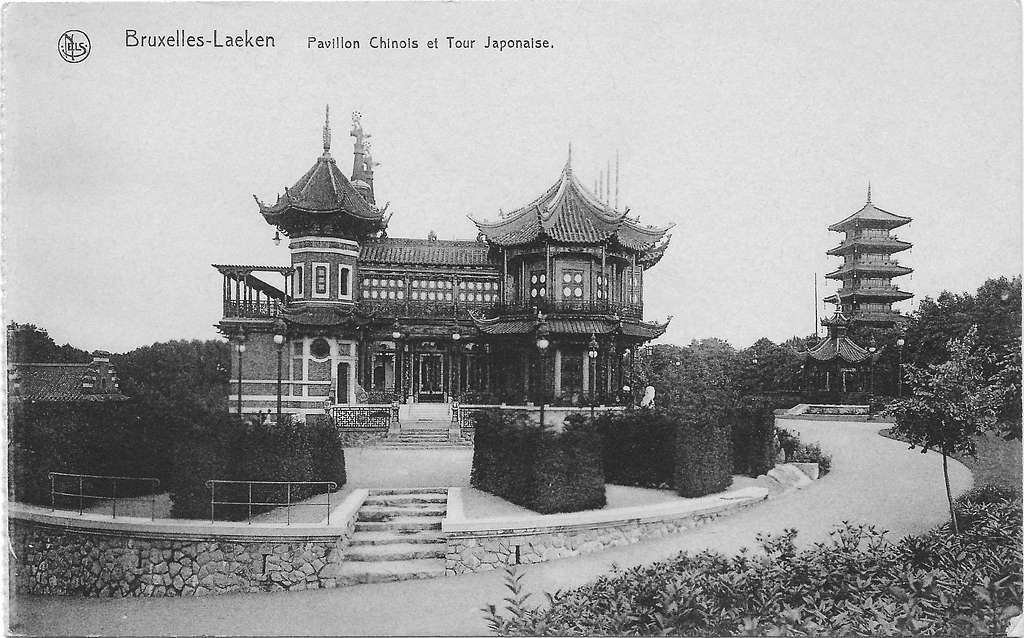
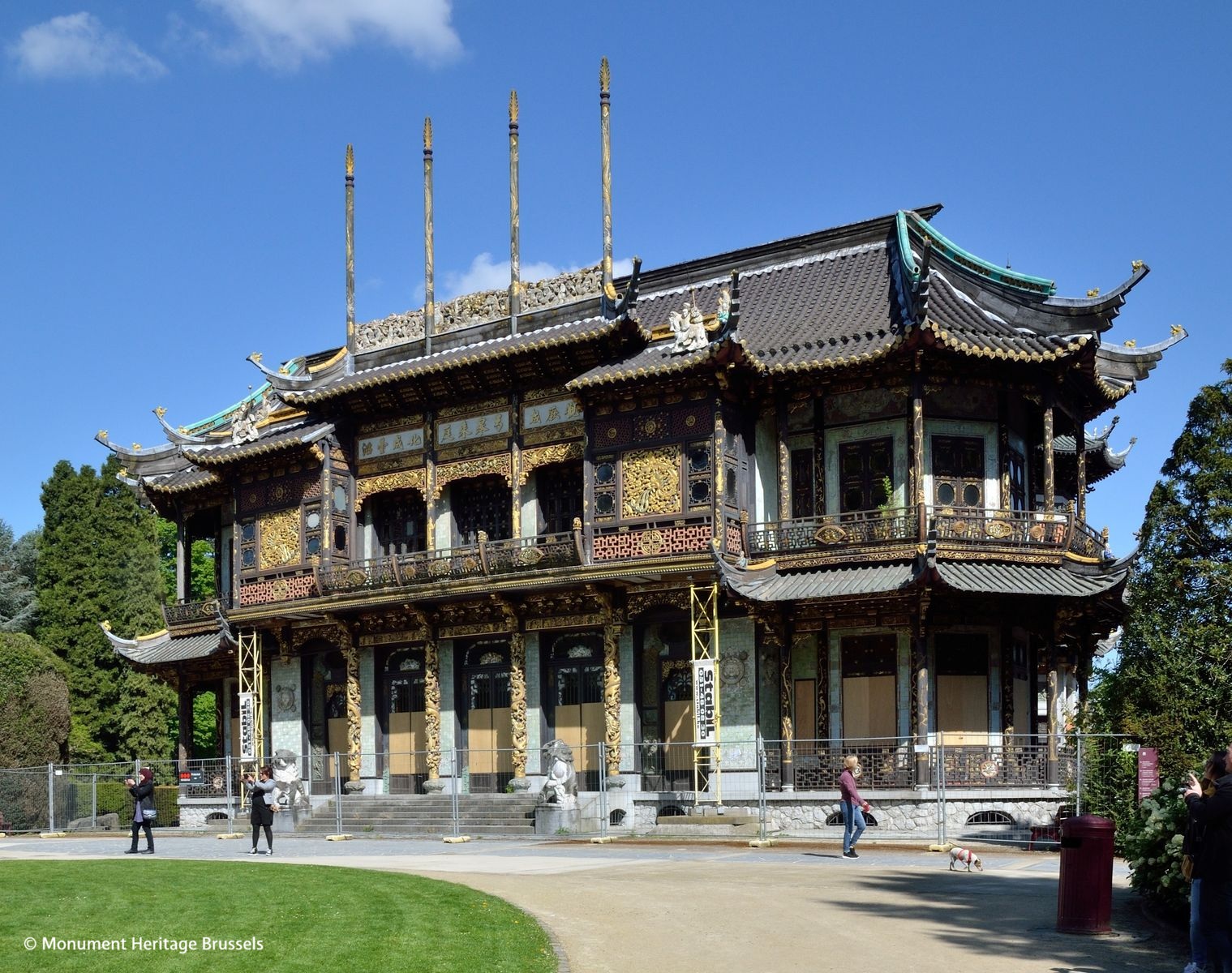
By 1905, the Japanese Tower is already rising above the Brussels skyline. A few years later, the Chinese Pavilion follows, with its curved roofs, carved woodwork and East Asian-inspired interiors. Together, the two buildings create an unexpected sight in the heart of Brussels.
But the Chinese Pavilion has another surprise in store. Originally designed as a luxury restaurant, complete with private dining rooms and fully equipped kitchens, it never welcomes a single customer.
The two buildings later become museums dedicated to art and cultural exchanges with East Asia. Today, they are closed to the public and awaiting major renovation. But their unexpected presence still catches the eye of passers-by.
Next time you get off at Pagodes/Pagoden, follow the name’s invitation to travel. Just a few minutes’ walk can take you to the other side of the world... without ever leaving Brussels.

Curious for more?
Every stop has its own story. Explore another stop and discover Brussels’ hidden gems. A stop, a story... and off again.

On the same subject
-
Stop for a story: Merode
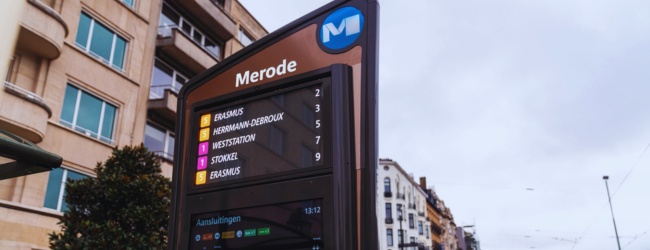
Every stop has a story: discover Merode, the princess whose name was forgotten.
-
Stop for a story: Congrès/Congres
Every stop has a story: discover Congres, the Constitution turned into a monument.