.png)
Stop for a story: Roodebeek
The source of a neighbourhood
Published on
Close your eyes and imagine... In the heart of the Woluwe Valley, across vast stretches of open land, a stream winds its way through the landscape: the Roodebeek.
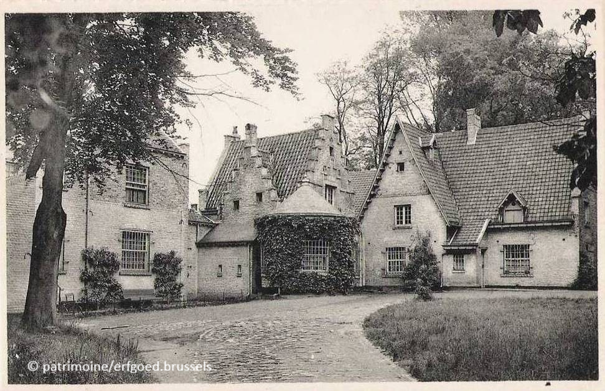
Between the 12th and 14th centuries, a quiet hamlet grows up around the stream. A handful of farms and small houses pop up along the riverbanks.
At the dawn of the 20th century, farms gradually give way to brickworks. Meanwhile, quarries and sand pits are appearing on the hillsides. Little by little, the peaceful-looking hamlet expands and comes to life with the arrival of cafés, shops and village fairs.
In 1914, a first tram connects the neighbourhood to the centre of Brussels. A few decades later, Roodebeek Park is created. The stream, meanwhile, gradually disappears from the landscape in the 1950s as the sewer network is developed. And yet, it never truly leaves the neighbourhood.
Today, it gives its name to a road and a metro station. A busy transport hub where hundreds of travellers pass through every day to reach the city centre and the outskirts of Brussels.
But to discover the true spirit of Roodebeek, you have to follow the stream’s example: leave the main roads behind and take the less obvious paths. You might even find its source, quietly hidden near Avenue des Îles d'Or.
Curious for more?
Explore another stop and discover Brussels’ hidden gems. A stop, a story... and off again.

On the same subject
-
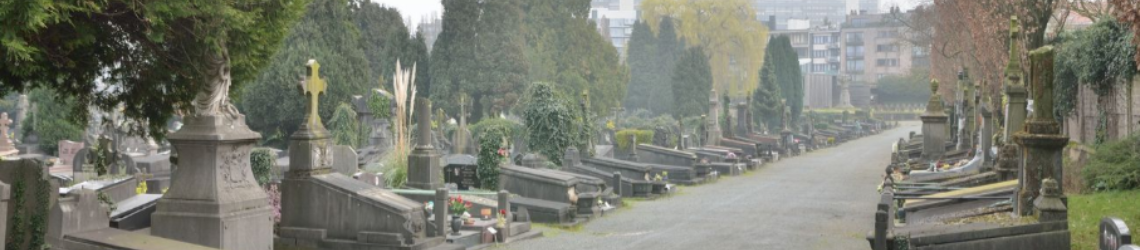
Stop for a story: Cimetière de Jette/Kerkhof van Jette
Every stop has a story: discover the one behind Cimetière de Jette/Kerkhof van Jette.
-
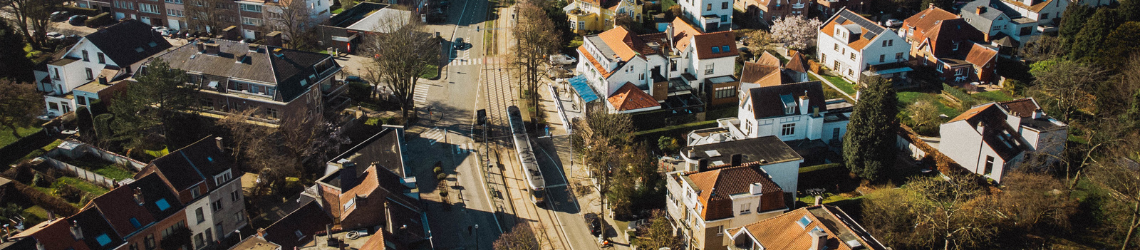
Stop for a story: Stockel/Stokkel
Every stop has a story: discover the one behind Stockel/Stokkel, from horses to planes.