
Stop for a story: Rosa Parks
With a single act of defiance, she made history
Published on
On 1 December 1955 Rosa Parks got on the bus after her working day in Montgomery, Alabama. She sits in an empty seat. Tired after a long day of work. Nothing out of the ordinary, you’d think. Until the bus gets fuller.
According to the rules at the time, she must give up her seat to a white passenger. Black travellers must sit at the back of the vehicle and must give up their seat if they’re asked to.
But Rosa Parks refuses to get up. Calm. Determined.
This moment changes everything. Rosa Parks is arrested. Her sentence triggers a mass boycott of bus services. For more than a year, hundreds of black inhabitants from Montgomery refuse to take the bus. For 381 days long.
This action makes headlines around the world and puts the American civil rights movement on the map. In the end, the Supreme Court of the United States rules that racial segregation on public transport is prohibited. Since then, black passengers can sit where they want to.
Rosa Parks was not a politician. She was not famous. She worked as a seamstress. But with a single act of defiance, she made history.
Today, her name continues to live, also in Brussels. A street is named after her, as well as a bus stop. A subtle reference to a woman who remained seated on a bus and, by doing so, set the world in motion.
Curious for more?
Every stop has its own story. Explore another stop and discover Brussels’ hidden gems. A stop, a story... and off again.

On the same subject
-
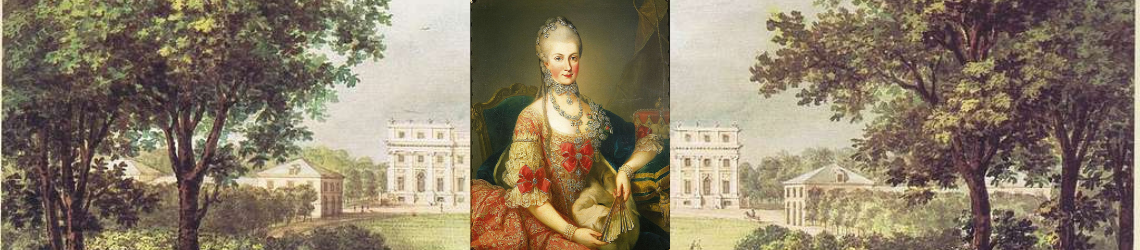
Stop for a story: Maria-Christina
Every stop has a story: discover that behind Maria-Christina, the archduchess who chose her own path
-
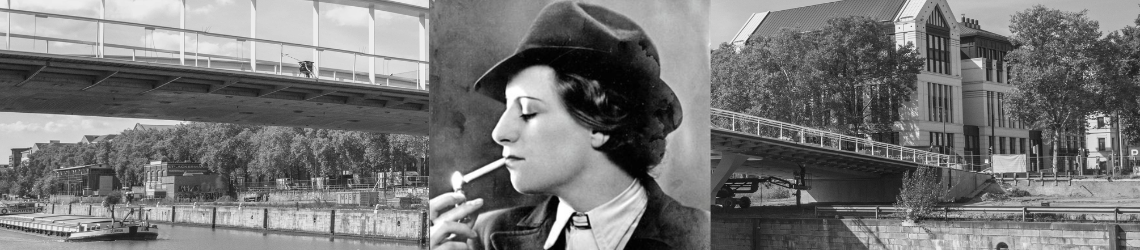
Stop for a story: Suzan Daniel
Every stop has a story: discover Suzan Daniel, a voice ahead of her time.