Company
A dynamic and innovative company
Published on
The STIB is a dynamic, innovative and efficient company. It plans to cope with the unprecedented growth of its Investment Plan by fulfilling its commitments, in partnership with the Brussels Region, and by delivering a quality service that meets its customers' expectations.
To do this, it is striving to control and optimise its costs, simplify its processes and governance, improve its operating agility and develop a culture and management of innovation, based on partnerships.
Financial resources
The health crisis has had an impact on companies for the second year in a row, and the STIB is no exception. In 2021, the financial losses amounted to 105.6 million euros, compared to 102 million euros in 2020. Revenues have increased slightly, thanks to the gradual recovery in passenger numbers, but so have expenses. In particular, the STIB continued to incur significant additional costs related to the acquisition of protective equipment and the intensive cleaning of its vehicles and infrastructure to ensure the safety of its customers and staff.
The STIB has continued its investment programme at the same time. Customers saw many concrete examples of this on the network in 2021: new metro trains, new buses for the implementation of the Bus Plan, extension of line 9, etc. A budget of 6.2 billion euros has been earmarked for building the network of tomorrow over 10 years.

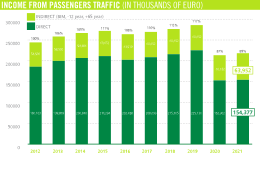
Revenue
Ticket sales revenue recovered slightly in 2021. Compared to 2020, it increased by 2% to 218 million euros.
This increase was mainly due to the sale of tickets and purchases made using contactless payment, a new payment facility that is very popular with passengers.

Expenditure
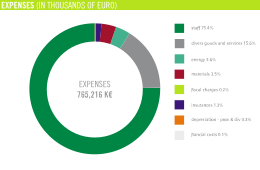
In 2021, the STIB's expenditure amounted to 765 million euros. The company faced additional costs due to Covid-19 again this year. This expenditure for the purchase of protective equipment and the cleaning of its infrastructure and vehicles amounted to nearly 24 million euros.
Investments
The STIB has continued with the maintenance, improvement and renewal programme for its network. These investments amounted to 391.5 million euros in 2021.
Among other things, this budget allowed the acquisition of new vehicles and the replacement of tracks. The STIB also invested in the maintenance of its infrastructure and fleet. The investments required for the proper functioning of the public transport network are very varied, from fuel distribution infrastructures to sanitary facilities and from windows to wheel tires.

The STIB is developing its network
A very eventful year
Once again this year, the STIB demonstrated its dynamic nature through its many achievements. It goes without saying that 2021 was very eventful, with new lines, extensions, reorganisations and key milestones in major projects.
On the bus network, the Bus Plan continued to be deployed, with the creation of two new lines - 52 and 74 - and the overhaul of existing lines to better meet passengers' needs. On the tram network, the STIB closed the year in style with the inauguration of the new section of line 9. Line 32 was the last night tram line and was abolished in favour of improved network readability. This development was made possible by increased service frequency on tram lines 55 and 82 in the evening and the introduction of bus line 52, among other things. In the metro, the arrival of new M7 trains on lines 1 and 5 has freed up additional vehicles to increase frequencies on lines 2 and 6. The Metro 3 project has also made good progress.
Line 9 is 4 stops longer
After a first phase in 2018, with the creation of the line between Simonis and Arbre Ballon, tram 9 has gained four new stops. As of 11 December 2021, travellers can enjoy a fast, direct tram connection between Simonis and Roi Baudoin, via the centre of Jette, UZ Brussel, Square du Centenaire and Cité Modèle, in just 20 minutes.
This line has many advantages. It runs entirely in its own dedicated lanes, offering a fast link to many points of interest. In addition to the direct connections with these different locations, this extension also creates new links with other existing lines, for the benefit of the many passengers on these other lines: with metro 6 at Roi Baudoin, as well as with trams 51 and 93 at Stade for example, or with the bus lines of the STIB and De Lijn.

Bus 52, 74 and many other new features with the Bus Plan
The Bus Plan has delivered its share of new features on the STIB bus network again this year. Among the most notable are the new lines that opened in 2021, namely lines 52 and 74.
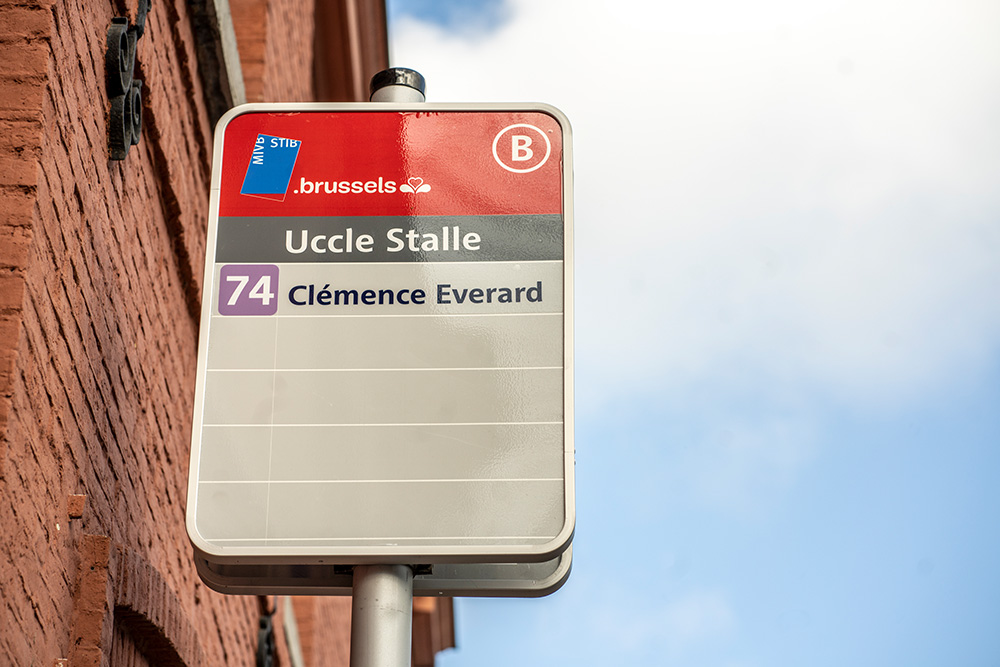
Line 74 has been running on the STIB network since 19 April. It connects Erasmus Hospital to Uccle-Stalle and will join Uccle-Caelevoet in the second phase, when the new Rue du Wagon is built. This new line meets the need for a public transport link between Anderlecht, Forest and Uccle. It opens up many districts, serves several schools and places of interest, such as Forest National and Erasmus Hospital, and offers connections with metro line 5 at Erasmus, Eddy Merckx and Veeweyde.
Line 52 provides a new link between the city centre and Forest, while improving the service to the Bervoets district. It opened on 1 September and offers easy connections with metro lines 1 and 5 at Gare Centrale and 2 and 6 at Porte de Hal. This is the fifth new bus line to open under the Bus Plan.
2022 will mark the final stretch of the Bus Plan, with the arrival of line 73, the merger of lines 75 and 98, and the extension or modification of many other lines.
The Metro 3 project is progressing well
Work in the area of the future Toots Thielemans station achieved new milestones in 2021. Built under avenue de Stalingrad, this future station will link the Gare du Midi and Anneessens stations, while allowing an easy connection with the tram at Lemonnier station.
The diaphragm walls, the station's load-bearing walls, were built on avenue de Stalingrad, so that the roof slab could be poured over them. This impressive work was completed in a single day and required approximately 600 m3 of concrete. Work has also begun on boulevard Lemonnier and in the cellars of the Palais du Midi.
There is no shortage of challenges in this densely populated area, where there are many businesses, the geological characteristics are complex and the ground is crossed by a multitude of pipes that must be maintained (sewers, low voltage, telecoms, etc.).
At Albert station, the decommissioning of the Jupiter shaft made it possible to start the redevelopment of the area on two levels: level -1, to accommodate the tram terminus, and level -2, where the metro line terminus will eventually be.
In the line's other existing stations, new technical rooms are being built and the installation of the 3rd rail has already been anticipated.
A new milestone for tram line 10
In November 2021, the STIB submitted the planning application for the new tram line in Neder-Over-Heembeek: tram 10. This is a new milestone towards the completion of this new tram line which, with its 5.5 km route, will offer a new structuring and efficient service in the north of Brussels.
Public consultation is central to this project. From the beginning, residents and merchants have been involved in the process of developing plans for their district. Tailor-made communication has been put in place, including a dedicated website and public meetings.
The next steps will be an analysis of the permit application by Urban, the regional urban planning authority, the opening of a public inquiry and, lastly, the organisation of a consultation commission, after which Urban will issue its opinion. Work not related to the planning application, such as the utilities, began in the spring of 2022, while track laying is due to begin by the end of 2022.

Tour & Taxis tram route defined
Following an impact study by the STIB, the Brussels government has defined the route of the new Tour & Taxis tram line. This line will connect Belgica to the Gare Centrale via the Susan Daniel footbridge and the Gare du Nord, offering a brand new tram service to the city centre. The next steps will be the technical studies and the drawing up of the plans, for which Brussels Mobility is responsible.
Moving closer to new signage for the metro
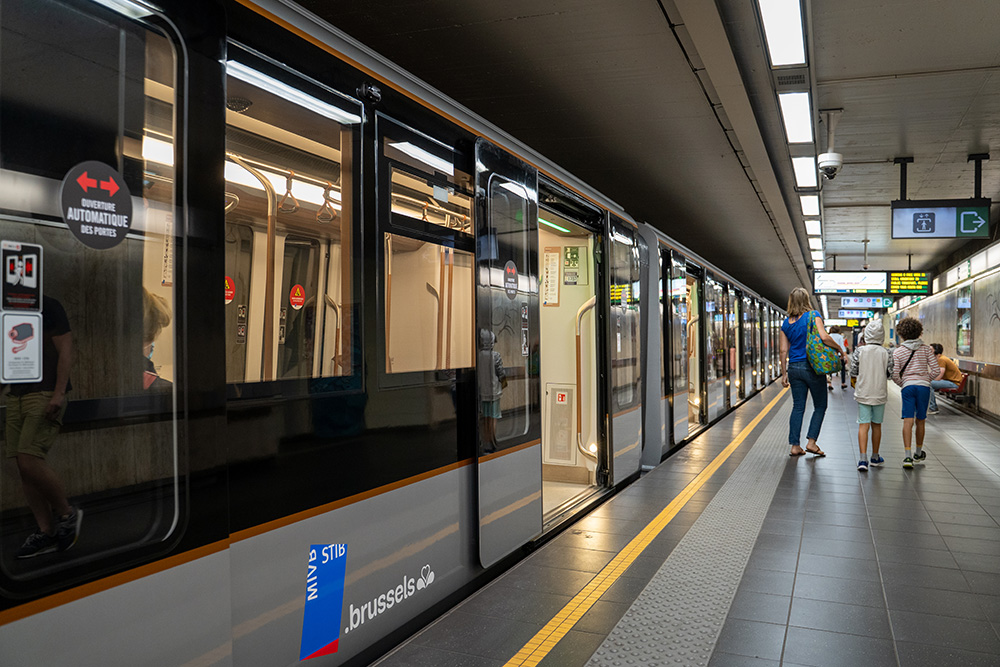
The metro network is undergoing an ambitious modernisation programme. This includes the arrival of new vehicles on the network - the M7s - as well as the creation of a new depot at Erasme and the installation of a new signalling system that will make it possible to increase frequencies while making the network safer.
In 2021, the installation of this new signalling system, known as "CBTC" - for Communications-Based Train Control system - began at the Erasme depot and on Boa trains. This installation will continue in 2022 along the line, on the ground, and on the older metro models. It will eventually enable an increase in frequency on lines 1 and 5, to reach an interval of 2 minutes between vehicles on the shared section between Merode and Gare de l'Ouest.
The STIB maintains its network
Tracks, stations, depots... A network needs maintenance
16.7 km of track replaced
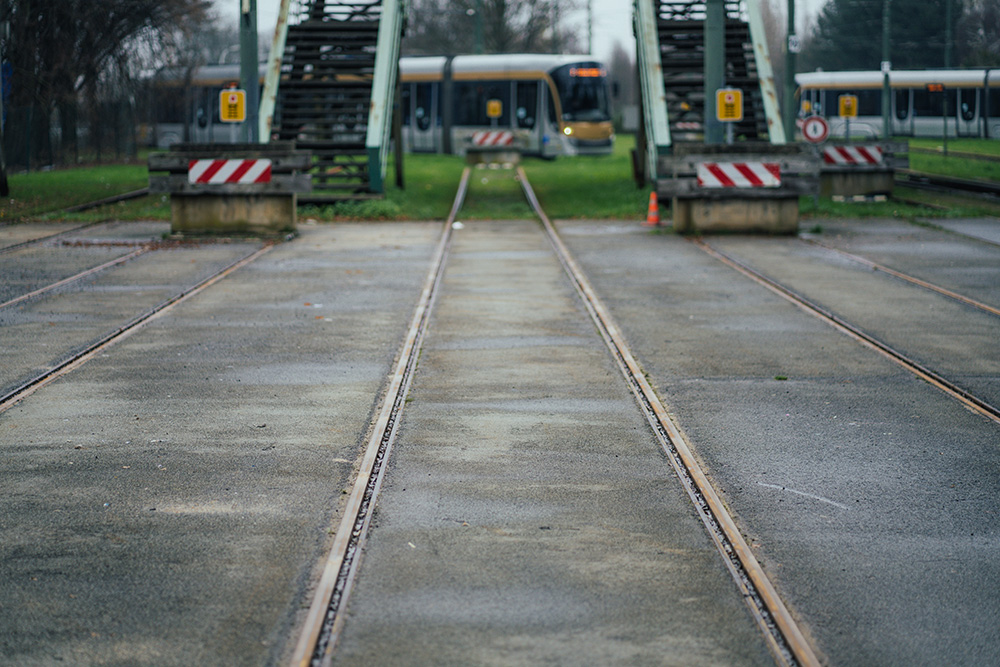
While it is certainly essential to invest in the network of tomorrow, the STIB does not forget to take care of its network of today. Tram tracks, depots, buildings: the STIB's infrastructure is maintained and regularly renovated to ensure its longevity and constantly improve passenger comfort. The same is true for the stations, which are owned by the Region and are being successively renovated for the benefit of STIB customers.
This year, the STIB replaced 16.7 kilometres of tram tracks. Most of the time, these worksites were also an opportunity for the Region and the municipalities to rethink the road system and promote soft mobility. The metro stations are also undergoing a vast renovation programme by Brussels Mobility to refurbish them and, above all, improve their accessibility.
The STIB has a lot of buildings for its staff, its vehicles and... its rails. The Usine centrale, part of Brussels' industrial heritage, now houses the STIB's rail-making workshop. Its refurbishment began in 2021.
The implementation of appropriate road infrastructures is essential to ensure the smooth running of the buses. Thanks to the various improvements made in recent years, bus line 71, the busiest bus line in the STIB network, is not only faster, but also more reliable.
Track replacement
Machined tracks: 60.82 km
Tracks treated
- With anti-vibration cover: 6.18 km
- With covered rails: 12.37 km
Rails produced: 47.87 km
Every day, the STIB's tram and metro tracks allow the movement of a large number of vehicles carrying hundreds of thousands of passengers. These rails are maintained regularly to ensure their longevity. Thanks to these preventive interventions, their average lifespan is between 25 and 30 years, after which they must be replaced. In 2021, the STIB replaced 16.72 kilometres of track, including 12.80 kilometres on the tram network and 3.92 kilometres on the metro network.
Where possible, the STIB is actively cooperating with the various authorities responsible for redesigning public space or improving the commercial speed of public transport in parallel with replacing the tram tracks. Chaussée d'Alsemberg, the major redevelopment project of this artery in the south of Brussels, continued in 2021 in cooperation with Brussels Mobility. The focus was on beautifying the district, enhancing the commercial centre, improving accessibility and planting trees.
The tram tracks were also replaced as part of the façade-to-façade redevelopment at the Reine and Thomas tunnels near place Liedts. On avenue Rogier, work has been done to secure and widen the stop areas at the Coteaux stop. As part of this project, the tram tracks were replaced and the road redesigned. Finally, the major redevelopment of rue Wayez in Anderlecht began in autumn 2021 and will continue until summer 2023.
The STIB has also replaced the rails on avenue de Hinnisdael, on the route of tram 39, on avenue Brugmann, the route of trams 92 and 97, and along boulevard Louis Schmidt, between the VUB and Boileau stops on tram lines 7 and 25.
Usine centrale refurbished
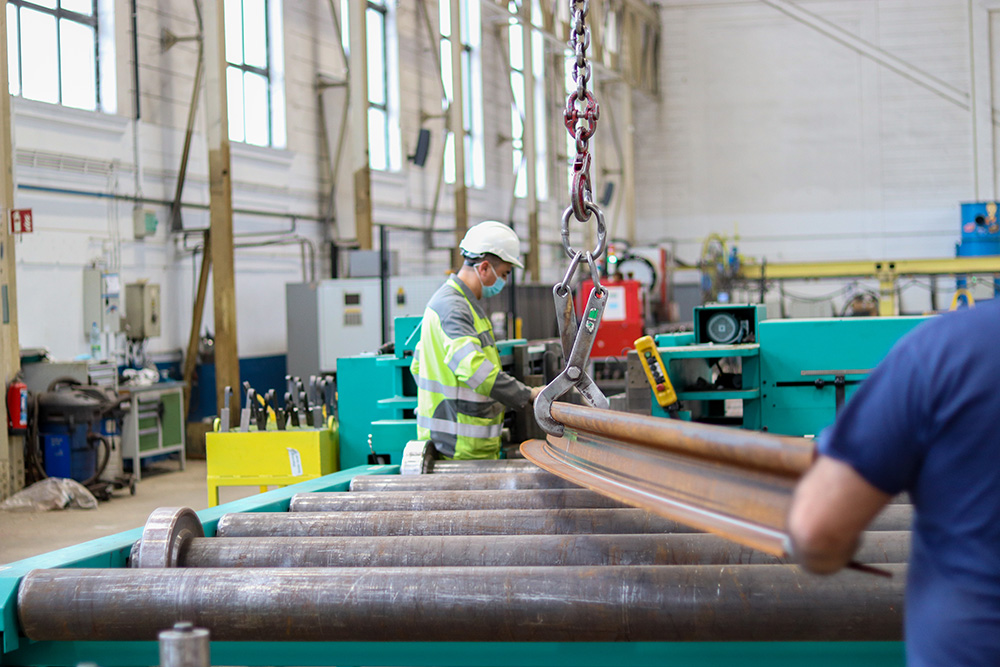
Created in 1903 by the Tramways Bruxellois, ancestors of the STIB, the Usine centrale has been owned by the STIB since 1954. This magnificent building, which housed a coal-fired power plant to supply the tram network, was converted to accommodate the activity that still occupies it today, i.e. the packaging of rails for the tram and metro networks.
Maintenance of the tracks, switches and turnout motors, bending, welding, assembly before laying... The STIB's rails are shaped as well as repaired at the Usine centrale, and have been for more than 60 years. In 2021, the Usine centrale supplied nearly 48 kilometres of rail. A total of 180 people work there, day and night.
These renovation works are essential to maintain and develop the STIB's activity. The complete redevelopment of the building's surroundings includes the creation of a new road access for the delivery and transportation of materials as well as the construction of a bicycle and pedestrian path, which will facilitate access to Jacques Brel station. This ecological project includes the greening of the site's surroundings and the permeabilisation of the soil.
The 71 bus is faster
A number of improvements have been made on Line 71 since 2016, allowing buses to save up to 7 minutes on their route during rush hour. Line 71 is now not only faster, but also more regular. It is much less prone to traffic congestion and its travel time is more predictable.
Among the improvements carried out are dedicated lanes between Trône and Porte de Namur, along boulevard du Régent, and between Arenberg and De Brouckère, rue Ravenstein and rue Fossé aux Loups. The chaussée d’Ixelles has been transformed into a pedestrian zone accessible only to buses during the day. Work also took place on avenue de l'Hippodrome and avenue Buyl. A counterflow has been created at Pont Fraiteur between the Fraiteur and Cimetière d'Ixelles stops. This improvement alone has enabled the 71 bus to achieve an average commercial speed increase of 1.5 km/h between the Fraiteur and ULB stops.
In the morning rush hour, passengers on the 71 bus save 3 minutes to Delta and 7 minutes to De Brouckère compared to the same trip made in 2016. The trend is reversed in the evening rush hour, with a saving of 2 minutes to De Brouckère and 5 minutes to Delta.
Thanks to these improvements and the resulting increases in regularity, the STIB will be able to increase the frequencies of line 71 during 2022.
The STIB updates its fleet
Metro, tram and bus: all modes have been pampered in 2021
- 73 metro trains
- 395 trams
- 862 buses
The most noticeable innovation was undoubtedly the arrival of the "M7" metro trains on lines 1 and 5. This fleet expansion has freed up previous generation metro trains, which have been placed on lines 2 and 6. The result was a 10% increase in peak capacity in November 2021, followed in early 2022 by a further increase in capacity, with a total peak gain of 20% more seats on lines 2 and 6. Passengers can now enjoy a metro every 2.5 minutes on the shared section of all metro lines during rush hour. In addition, several of the oldest metro trains have been given a new interior design illustrating the jewels of Brussels' heritage.
For the tram, we note the arrival of the "New Generation" tram at the Haren depot, the first of a delivery of 90 vehicles. These new trams will eventually increase the capacity of the tram network by 10,000 seats. Another tram has made its comeback on the network: the Tram Experience. This tram, transformed into a mobile restaurant, allows visitors to enjoy a unique gastronomic experience through the streets of Brussels.
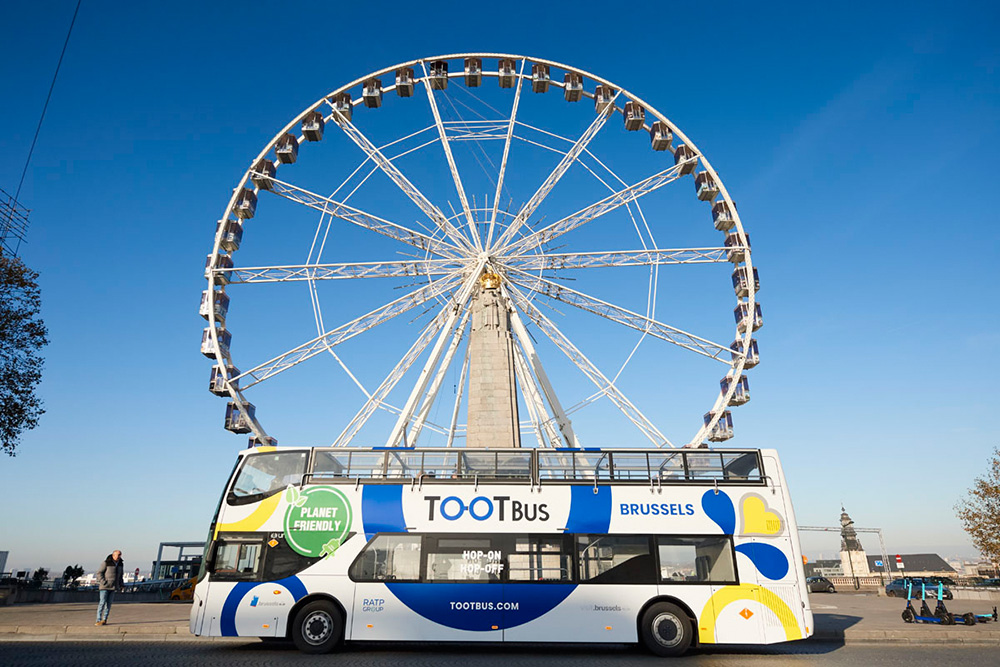
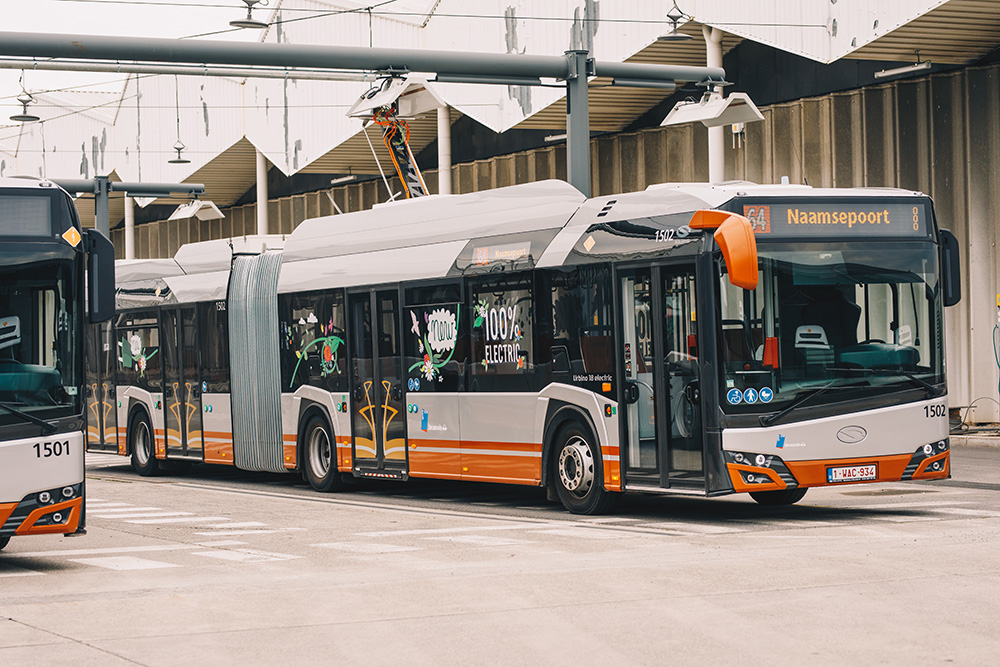
The bus network has not been left out. The last of the hybrid buses ordered to enable the deployment of the Bus Plan were delivered in 2021. The STIB has also received new articulated and standard hybrid buses to replace its A330 D1 and Citaro D1 buses. 2021 also saw the arrival in the STIB fleet of a hydrogen bus. This new type of propulsion, which will be tested on various lines, could be an option for the STIB in its programme to progressively decarbonise its fleet, alongside the classic electric buses. To reduce the environmental impact of public transport in Brussels, the STIB has entrusted the operation of the Hop on Hop off tourist bus service to the company Tootbus, thus launching the first 100% electric tourist bus service in the world.
The new M7 trains on the network
The new M7 metro welcomed its first passengers at the beginning of July, after several months of tests without passengers. This new vehicle has a number of new features for even greater comfort and accessibility, including automatic door opening, new multi-purpose areas dedicated to people with reduced mobility, pushchairs and bicycles, large information screens, coloured LED signage above the doors and platform-level floors.
In total, the STIB has placed a firm order for 43 trains, which will be delivered progressively. In 2021, 9 new trains were put into circulation on its metro network. The delivery and commissioning of the new trains will continue in 2022. The arrival of the new M7s on lines 1 and 5 has freed up vehicles from previous generations that have been placed onto lines 2 and 6 to increase their frequency.
In November 2021, the capacity on Lines 2 and 6 increased by 10% in peak hours compared to mid-2021. At the beginning of 2022, a new capacity increase resulted in a total peak gain of 20% compared to mid-2021. The frequency of lines 2 and 6 has increased to 2.5 minutes on the shared section during rush hour, similar to the frequency of lines 1 and 5.
The new M7 trains will eventually increase the capacity of the Brussels metro network by 8,000 seats per hour in each direction.
Refurbishment of old trains
In 2021, the STIB continued the interior design of the old generation metro trains. Passengers discovered new typical Brussels decors.
In February, the Mont des Arts and the Royal Greenhouses of Laeken were featured, followed by the Atomium and the Parc du Cinquantenaire in June and the Royal Palace and the Basilica of Koekelberg in October.
This project, which started in 2020, is the result of a collaboration between the STIB and visit.brussels. The STIB had redesigned a total of 8 carriages by the end of 2021 and plans to continue this momentum in 2022, with new iconic locations such as the Japanese Tower and Tour & Taxis.
Delivery of the first "Tram New Generation"
Arriving in October 2021 at the Haren depot, the TNG, for "Tram New Generation", is the first of a series of 90 vehicles ordered by the STIB. It is a modernised version of the T3000 and T4000, the latest tram models in circulation on the STIB network.
These trams include several new features, such as two multifunctional areas for wheelchair users and pushchairs with a dedicated intercom, manual ramps integrated into the floor, indirect LED lighting, a high-performance air conditioning system and flexible bogies to reduce vibrations as much as possible. The new seating layout makes long journeys more enjoyable. Folding seats have been installed to supplement the fixed seats. Large information screens show the line diagrams and LED strips above the doors indicate the direction of descent and the availability of each door.
The new tram will be able to welcome its first passengers after a series of tests in the depot and then on the network without passengers. These tests are used to check the gauge, speed, switches, communications with dispatch and passengers, geolocation, sanding, maintenance, vehicle performance and braking.
The return of the Tram Experience
The Tram Experience allows gourmets to combine the pleasures of a good meal with a trip around Brussels on board a refurbished tram. The Tram Experience was stopped due to the health crisis, but made its comeback in 2021 and took advantage of this year off to get a makeover.
The Tram Experience, inaugurated in 2012 to mark the year of gastronomy, is the result of a collaboration between the STIB and visit.brussels. Initially planned for just one year, the concept continued due to its success. Place Poelaert, Cinquantenaire, Avenue de Tervuren, Flagey... The tram follows an original route, offering 6- or 7-course menus on board created by the greatest names in Belgian gastronomy.
Information and reservations at visit.brussels.
The STIB tests a hydrogen bus
In 2021, the STIB welcomed a new kind of vehicle into its fleet: a hydrogen bus. This new propulsion technology could be an alternative to fossil fuels. The STIB has been gradually decarbonising its vehicles for several years now and has acquired new hybrid and electric buses for this purpose.
The hydrogen bus works like an electric bus, except that the energy is stored in the form of hydrogen in a tank rather than in batteries. The electrolysis of water allows the separation of oxygen from hydrogen. The combination of this hydrogen and ambient oxygen releases energy, with pure water as the only residue.
The hydrogen bus currently being tested has been leased to the Belgian company Van Hool for a period of two years. After a series of tests at the depot, the vehicle is currently being tested with passengers on various STIB lines. These tests will allow us to understand this new technology on a maximum of lines and in different circumstances. But the current study does not stop there. The STIB is also exploring with external partners, including ULB, the possibilities of supplying green hydrogen. If this first experiment is conclusive, the objective would be to run an entire line exclusively with hydrogen buses.
The last hybrid buses arrive on the network
The hybrid buses ordered by the STIB have been progressively arriving on the network since 2019. These vehicles are intended to replace older buses, but also increase the capacity of the STIB bus fleet, as set out in the Bus Plan. The STIB has received more than 400 new hybrid buses. Since its launch in 2018, the Bus Plan has increased the number of seats on the bus system by 30%.
There are 238 new standard Volvo hybrid buses. Some replaced the old Van Hool A330 D1 buses, while the others were used to expand the fleet.
164 new articulated hybrid buses have also been delivered and have made it possible to increase service frequency on lines 49 and 89 and replace the Citaro D1 buses.
This acquisition has allowed the STIB to increase the capacity of its bus lines, to enhance passenger comfort, while reducing the carbon footprint of its vehicles.

The first 100% electric tourist bus service with Tootbus
After more than a year of interruption, the Brussels tourist bus service restarted at the beginning of December. The STIB has entrusted the operation to Tootbus Brussels, a subsidiary of RATP Dev. Two routes are available from the Gare Centrale: the blue line, which travels via the Atomium, Laeken, the Basilica and the city centre, and the red line, which travels via the Art Nouveau district and the European Quarter.
Tootbus has given a new boost to the tourist offer. New audio guides with redesigned content allow passengers to discover Brussels in the company of adopted inhabitants. And children have not been forgotten, with texts created especially for them. Gradually expanded to 6 and 10 languages, the texts written and recorded by native speakers of each language provide a unique cultural perspective for each nationality.
Tootbus also offers customised content through a website and an app that include real-time bus tracking, podcasts and a wealth of information on points of interest.
The STIB adapts its depots
The STIB inaugurates its third metro depot in Erasme
The arrival of the 43 new M7 trains required the construction of a new metro depot. Erasme is the third STIB metro depot, after Delta and Brel. Built near the eponymous metro station, the depot is almost entirely underground, except for the administration building, which is visible above ground.
The new depot allows the storage of 23 trains and the maintenance of 7 others. With a surface area of more than 30,000 m2, it includes a workshop with all the maintenance facilities required for the upkeep of metro trains: two work pits, a lifting stand, three walkways, a metrowash and a pit for cleaning the lower part of the vehicles. Two 110 metre-long overhead cranes have been installed for maintenance. There are also two hot water pressure washers, a centralised vacuum cleaner and a lift that can move 10 tonnes.
Particular attention was paid to the ecological dimension during the construction of the building. The depot has obtained BREEAM Design Stage (Building Research Establishment Environmental Assessment Method) certification, an international standard that evaluates the environmental impact of a building. With waste management, photovoltaic panels, geothermal wells, rainwater recovery, recycling of the water used for cleaning the trains and planters to recover particle-free rainwater - everything has been thought out down to the smallest detail to limit the environmental impact of the Erasme depot's activities.
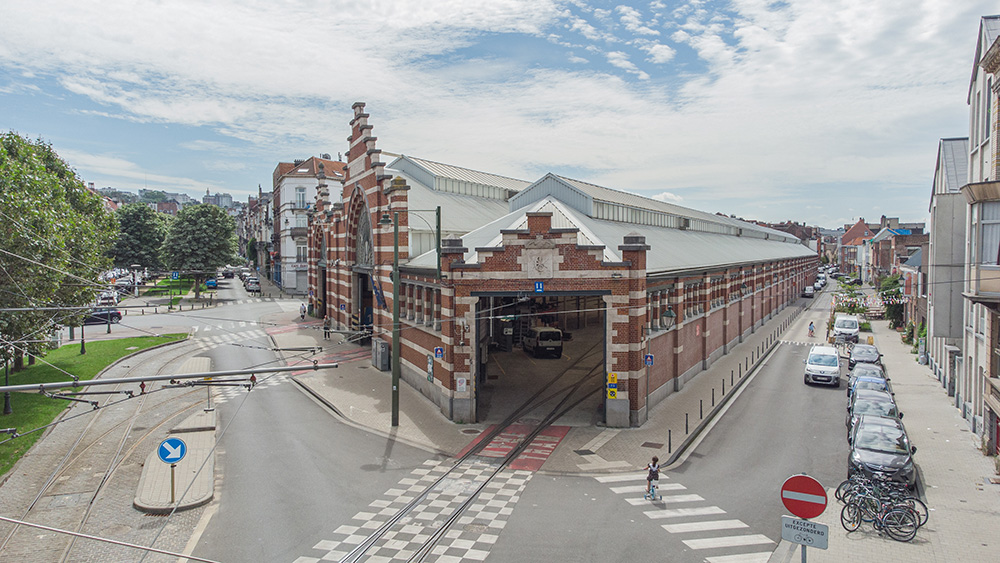
The depot avenue du Roi prepares for the arrival of new trams
In September 2021, renovations began at the tram depot avenue du Roi in Saint Gilles. This historic building, which dates back to the beginning of the 20th century, will be used to house newer trams. Work is currently underway to adapt it for the storage and maintenance of T3000 and T4000 trams, but also, and more importantly, the new TNGs, the "Trams New Generation", which will be delivered over the next few years.
Several improvements are planned, including widening the space between the tracks, creating new maintenance pits and walkways, and installing new blasting pits. In a second phase, the tramwash will be completely renovated and allow the recovery of rainwater and wastewater.
There are also plans to replace the lighting with a LED system, which is more environmentally friendly and pleasant for staff, install a new heating system and motorise the entrance doors to the depot.
Grouping together the dispatching centres
The dispatching centres of the STIB and Brussels Mobility together
7 dispatchings centres spread over nearly 2,500 m²
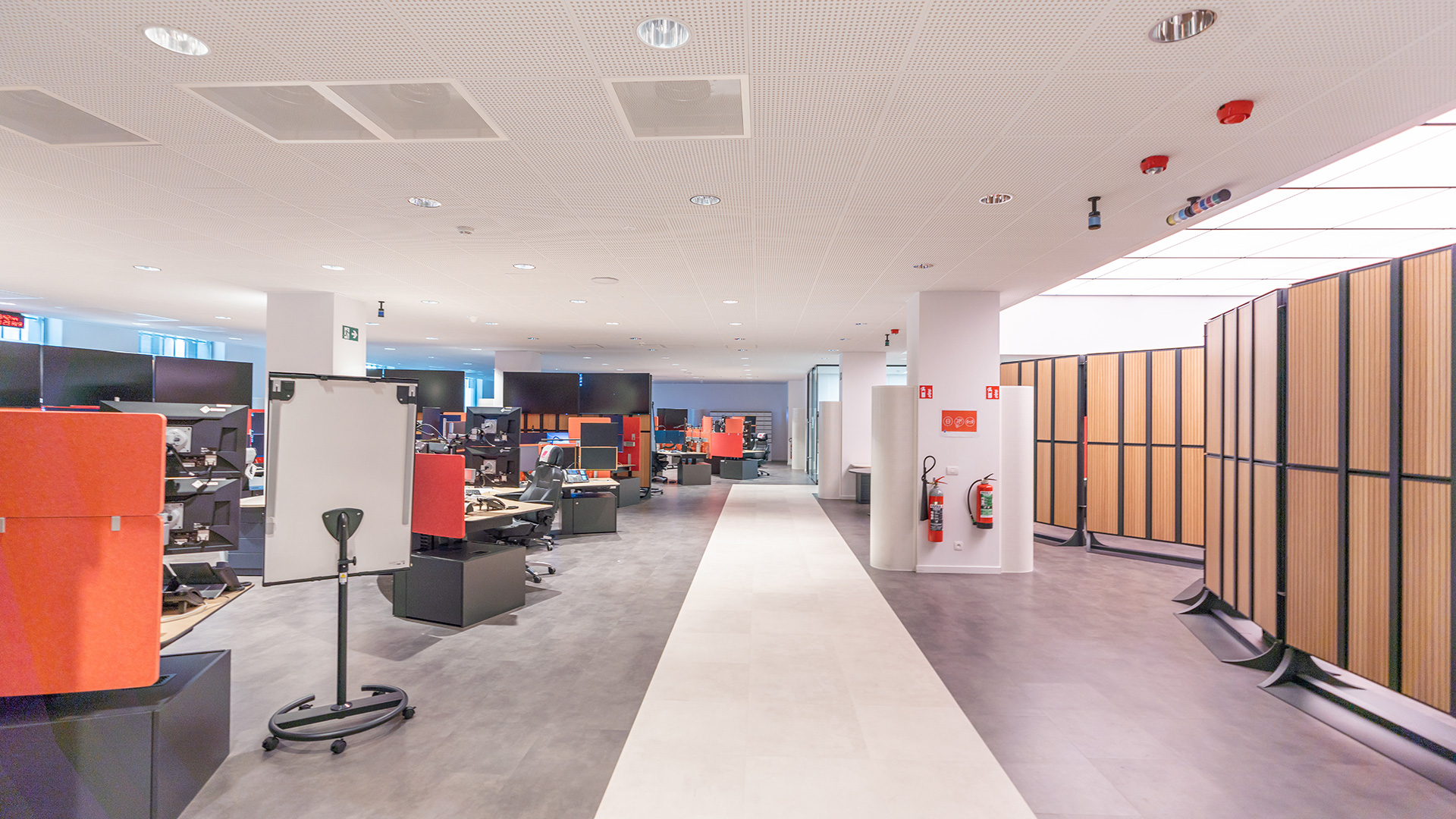
Since September 2021, the various STIB dispatching centres and Mobiris, the Brussels Mobility traffic management centre, have been together in the same building, the Brussels Mobility Centre.
The objective is to further improve communication and collaboration between the various departments of the STIB and Brussels Mobility.
The Brussels Mobility Centre occupies a surface area of almost 2,500 m2, including a meeting and contact area for STIB and Brussels Mobility staff. The STIB part has 6 dispatching centres, which supervise the bus, tram and metro networks, the infrastructure, the power supply and the IT systems, and ensure the security of the network.
The work began in 2019 and ended in mid-2021.
Station renovations
A new look for De Brouckère, Clemenceau and Roodebeek
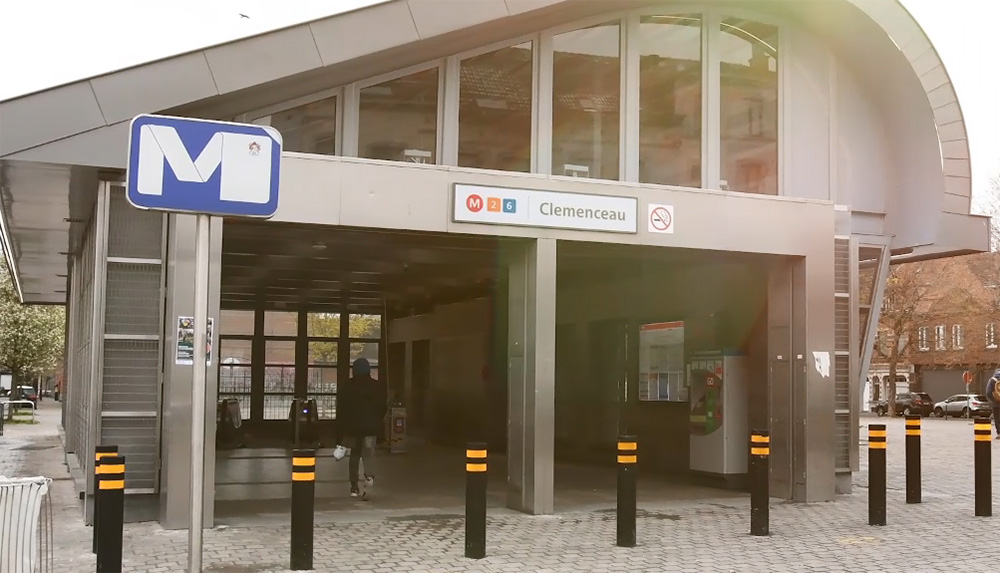
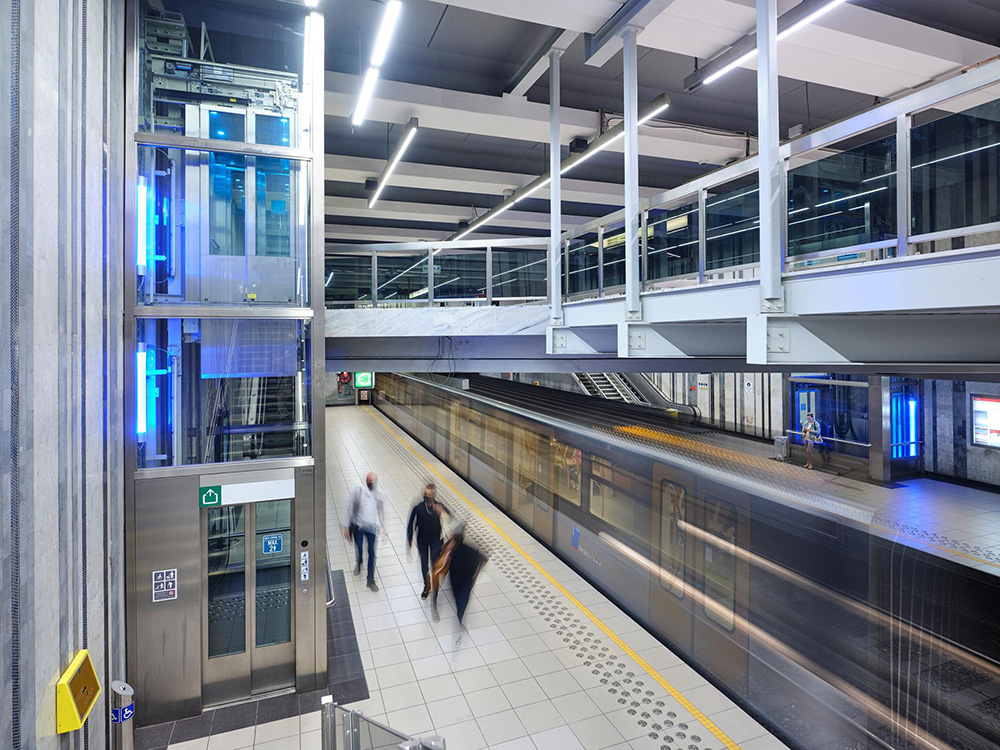
In 2021, three metro stations were thoroughly renovated: De Brouckère, Clemenceau and Roodebeek. New lifts, easier flow, increased lighting, etc. Passengers can now enjoy more accessible, more pleasant and also safer stations.
The points of sale are also gradually being renovated. In 2021, the KIOSKs at Gare Centrale and Saint-Guidon stations were refurbished. Customers and staff now enjoy more light and a more modern environment.
To make the stations more animated, the STIB encourages the installation of commercial spaces offering a range of products. Businesses were put to the test during the health crisis, but the STIB has given them its support, for the benefit of its passengers.
De Brouckère, a brand new station in the heart of the capital
In De Brouckère, the renovations were carried out in two phases, with the first phase involving the renovation of the premetro part, which opened in 2019, and the second phase involving the metro part, which opened in 2021.
In addition to a new access, the work has added more light thanks to a skylight, among other features. The platforms have been widened for greater comfort and safety and the walkways improved to facilitate passenger flow.

Clemenceau lighter and more pleasant
In Clemenceau, as in De Brouckère, the emphasis has been placed on optimising the flow of traffic, improving accessibility and renovating the lighting, which is now more economical and ecological. The station now has a wider access, with two escalators.
Another major improvement is that a new walkway provides lift access to the platforms. The access on the chaussée de Mons side now has two new elevators.
Greater accessibility at Roodebeek
A brand new footbridge has been built at Roodebeek, the last station to be partially renovated in 2021. It allows passengers to cross the station without having to go onto the platforms, which is a great improvement. This work was a major challenge, since the entire structure is suspended from the ceiling, without support, and was carried out entirely at night, without interrupting the metro traffic.
Another significant improvement is the application of new pedestrian signage principles to improve the floor signage for the visually impaired. A new lift and automatic and accessible toilets have also been installed.
Commercial offering in stations
The health crisis has had a significant impact on commercial activity in stations, as in 2021, commercial space represented 4,129 m2 (compared to 5,493 m2 in 2019), divided into 44 stores (compared to 56 in 2020). Nevertheless, three new shops opened in De Brouckère, Porte de Namur and Merode.
The shops in the metro offer a wide range of products, including bakeries, convenience stores, juice bars and newsstands. To support the shops present in its stations and limit bankruptcies, the STIB has revised the contractual provisions so as to lighten their financial burden. Commercial activities within the stations have been sustained thanks to these measures. Their presence contributes to the feeling of security for passengers and to the pleasantness of the stations.

Service quality
The customer at the heart of the quality approach
100% certified services service quality
In 2021, the "NF Service" certification obtained in 2019 for a three-year period was confirmed by the follow-up audit. The quality approach in which the STIB has been engaged for many years aims to ensure that the level of service offered to customers corresponds to the quality criteria defined to meet their needs and expectations. All the STIB's metro, tram and bus lines, 19 BOOTIK and KIOSK sales outlets, stops and stations, Customer Services and the inspection of transport tickets are involved in the quality approach.
Each year, numerous initiatives are launched by the various departments subject to certification, with a view to continuously improving the customer experience. Some notable 2021 initiatives include:
- renovation of around 100 buses, from seats to lighting to bodywork;
- improved accessibility on metro trains for people with reduced mobility;
- implementation of a transit light system to facilitate connections during construction;
- placing of stickers on the service doors of stations, to combat graffiti and strengthen the visual identity of the STIB;
- creation of a database to allow the Customer Services department to better inform customers through its various contact channels.
How is quality of service measured?
Since 2002, STIB has committed to a quality certification process for its services under NF Service standard (NF 281 – EN 13816 certification). In 2014, for the first time, 100% of the network was "service quality" certified by the independent French body AFNOR Certification. These certifications are the result of objective assessments of the quality of the services offered to passengers, whether in terms of punctuality, cleanliness, the attitude of staff or passenger information.
A committee of representatives from STIB, the Region and customers meets every year to develop a set of service commitments. Most of the measurements are made by "mystery shoppers". Others are calculated automatically using IT systems.
The certificate is valid for three years, but every year STIB must demonstrate that the annual results of the daily assessments by the mystery customers or IT systems meet the requirements.
Who is behind the mystery shoppers?
Anonymous among the millions of travellers who use the STIB network every day, they work for an independent organisation and their role is to verify the quality of the service, the condition and cleanliness of the vehicles and infrastructures, and the information provided to travellers at the points of sale, by telephone, and on the website and mobile app.
After analysis, this data allows the STIB to measure the performance of the services and the quality provided, and most importantly to identify the improvement measures that the STIB must implement throughout the network. Each year, nearly 750,000 elements - screens, stop buttons, network maps, website information, etc. - are checked through approximately 11,000 measurements.
New for 2021, the STIB launched a series of studies to collect the opinions of a panel of customers on the various elements measured and their importance in the customer journey. In 2021, the focus was on the condition and cleanliness of infrastructure and vehicles. These studies will continue in 2022, this time with a focus on vehicle and station amenities and maintenance.

Operational performance
The Bus, Tram, Metro, Technical Field Support and Rolling Stock departments ISO9001 certified
Since being better organised and more structured allows the company to offer a better service to its customers, STIB is constantly improving its performance by deploying a Quality Management System according to the ISO9001 standard. This contributes to the cross-cutting performance of the divisions' activities and to the satisfaction of internal and external customers.
In 2021, the "Bus", "Tram", "Metro", "Technical Field Support" and "Rolling Stock" departments were ISO9001 certified in their entirety. Several departments have also obtained this certification for part of their activities, such as "Infrastructure", "Sales", "General Management" and "Administration & Finance".
Next chapter
-
Collaborators
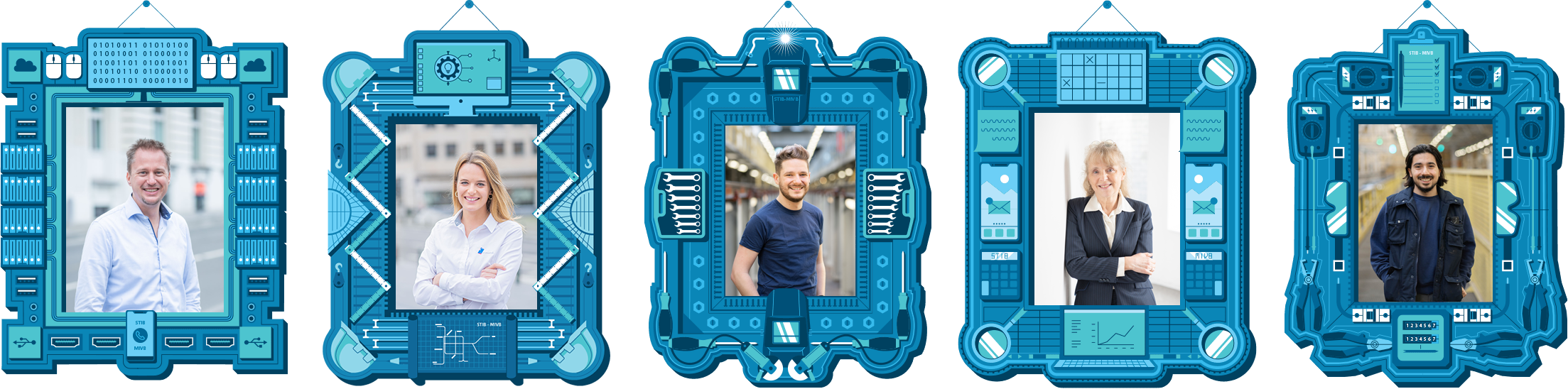
Together, STIB's employees use their knowledge and skills to serve their customers.